25 Years Ago: The $399 Pocket Jukebox That Held 1,000 Songs
Apple’s 2001 music player redefined portable audio with 5GB storage and FireWire speeds, creating a cultural phenomenon that lasted until the smartphone era.
By Ahmed Mansour ·
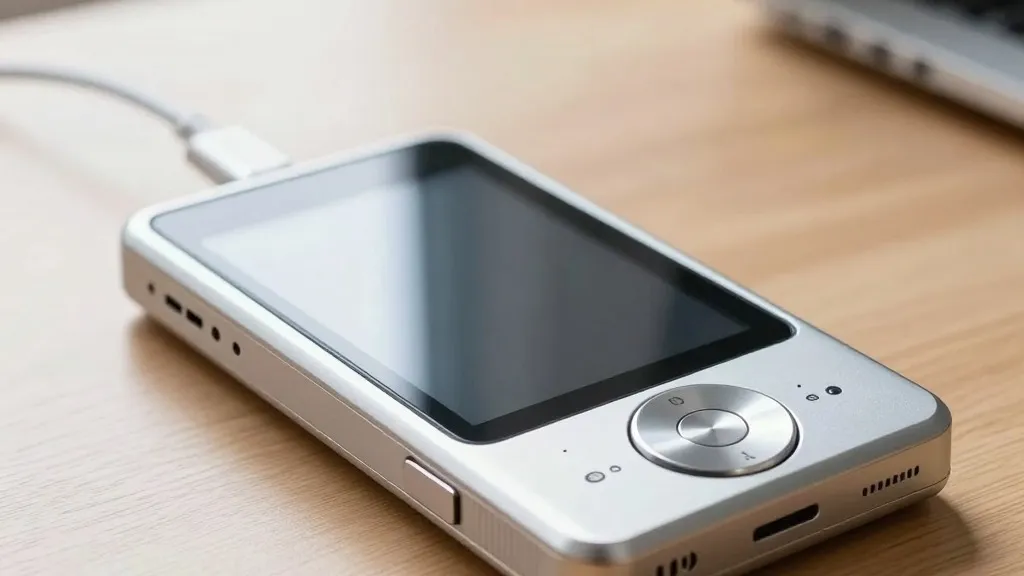
In October 2001, Apple CEO Steve Jobs revealed a device that would hold 1,000 songs in a package the size of a deck of cards. The price tag was $399, a figure that signaled a new era for personal technology. This 25th anniversary marks the moment the original iPod entered the market, fundamentally changing how listeners carried their music libraries.
The launch occurred during a pivotal period for the Cupertino-based company. Apple had successfully moved beyond its beige aesthetic into the Mac OS X era, with iBooks and iMacs establishing strong consumer confidence. This timing was critical, arriving shortly after the dot-com bubble burst. Jobs envisioned the Mac as the central hub for all digital media, connecting cameras, camcorders, and DVD players. He identified portable music as the missing piece, noting that while competitors like Sony and Creative existed, none had yet perfected the user experience.
The hardware specifications were aggressive for the time. The device featured a 5GB hard drive, powered by Toshiba’s ultra-compact 1.8-inch drive that was just 0.2 inches thick. This allowed for CD-quality sound and support for MP3, WAV, and AIFF formats. The physical dimensions measured 2.4 by 4 by 0.78 inches, weighing only 6.5 ounces. Jobs emphasized that it was lighter than most cell phones, making it a true pocket-sized companion.
Speed was a primary differentiator. The player used FireWire 400 for data transfer, which Jobs claimed could move an entire CD of music in five to 10 seconds. In contrast, USB connections of that era required approximately five minutes for the same task. To fill the entire 1,000-song capacity, the FireWire connection would take about 10 minutes, whereas a USB-based player would require five hours. The device also included a rechargeable lithium-polymer battery providing 10 hours of continuous playback, with an 80% charge achievable in one hour.
The software experience was equally innovative. iTunes 2 launched simultaneously, introducing features like MP3 CD burning. The Auto-Sync feature ensured that any library curated on a Mac would remain perfectly aligned with the portable player. The interface relied on a piezoelectric clicker for tactile feedback, allowing users to navigate by artist, playlist, or song with a single hand. During the demonstration, Jobs played the track 'Building a Mystery' by Sarah McLachlan.
The product line remained a staple for over a decade, coexisting with the iPhone after its arrival in 2007. The iPod's prominence gradually declined as smartphones integrated music playback. The final model, the 7th-generation iPod Touch, was released in May 2019. Although the line was left unmaintained for several years, Apple officially discontinued the product in May 2022, closing the chapter on a dedicated music player category.
Source: Tom's Hardware