Amazon scraps four Northern Virginia AI data centers for residential complex
Following intense local opposition, the tech giant will convert the Loudoun County site into mixed-use housing and donate land for a community arts center.
By Naledi Dlamini ·
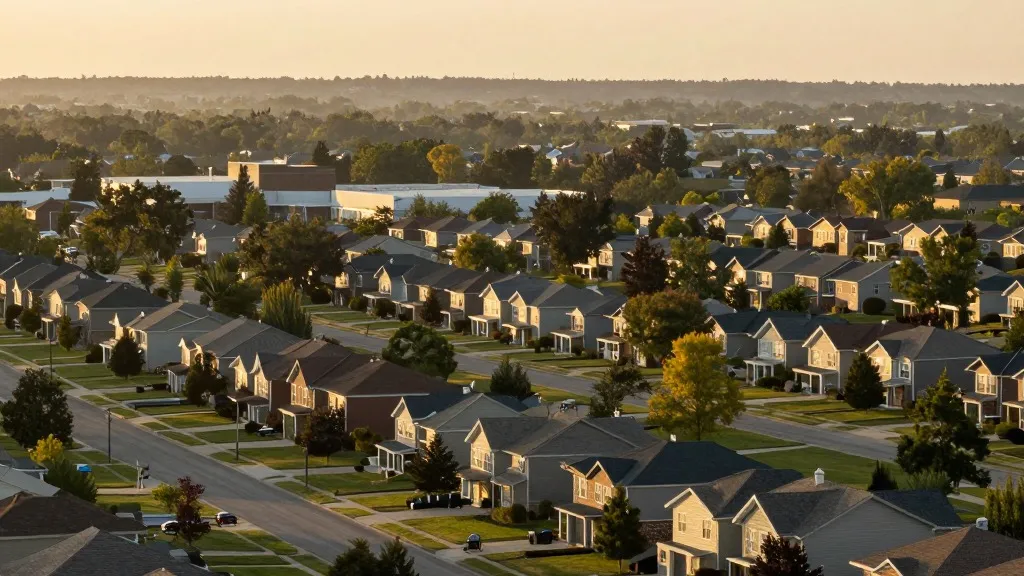
Amazon has officially withdrawn its proposal to construct four new data center facilities in Northern Virginia, opting instead for a significant shift in land use. The decision marks a notable reversal in the company's regional infrastructure strategy, particularly given the area's reputation as a primary hub for the nation's digital backbone. By abandoning the plan, the company responds to mounting pressure from local stakeholders who have long opposed the rapid expansion of hyperscale computing sites in suburban residential areas.
The site in question is a 122-acre parcel in Loudoun County, situated just outside the District of Columbia, which previously served as part of the George Washington University campus. Amazon originally submitted plans to build the data centers there in July of this year. However, following a meeting in September between company executives and the Loudoun County Board of Supervisors, the two parties reached a consensus that an alternative use would be more beneficial. The county, often referred to as "Data Center Alley" due to its high concentration of computing facilities, has seen its stance on new projects evolve in response to community concerns regarding noise pollution and energy consumption.
Under the new agreement, the majority of the 122-acre property will be redeveloped for mixed-use and residential purposes. Additionally, Amazon will donate 25 acres of the land to Loudoun County for the construction of a community arts center and a new recreational facility. To further support local infrastructure and housing needs, the company has committed a $5 million contribution to the county’s housing fund. This package represents a comprehensive approach to integrating corporate development with community benefits, moving away from the traditional model of standalone industrial construction.
Josh Weissman, Amazon’s vice president for data center development, acknowledged that the company initially viewed the former university campus as an ideal location when it became available. However, he noted that the firm carefully weighed the county’s "pointed concerns" about building data centers at that specific site. Weissman stated that while Amazon’s legal interpretation of the property’s development potential differed from the county's, the company concluded that a shared vision was superior to "costly litigation." This collaborative outcome avoids a potential legal battle that could have delayed both projects for years.
The shift occurs against a backdrop of increasing friction between tech giants and local governments. The surge in artificial intelligence applications has drastically increased demand for large-scale data processing facilities, leading to heightened scrutiny of their environmental and economic impacts. Residents in these communities have raised alarms over spikes in electricity prices, water usage, and the strain placed on local power grids. In recent days, President Donald Trump called for data center operators to compensate local communities for energy-related costs, suggesting that these facilities should either generate their own power or sell excess energy back to the grid.
Loudoun County officials have framed the agreement as a success of diplomacy over confrontation. Board Chair Phyllis J. Randall emphasized that the dialogue created opportunities for residents to gather and play, while also providing more attainable housing for working families. The resolution highlights a growing trend where local municipalities are leveraging their zoning power to negotiate tangible community benefits, rather than simply approving or rejecting large-scale tech projects. This approach may set a precedent for how other suburban counties manage the influx of AI-driven infrastructure demands.
While the immediate dispute is resolved, the broader challenges of powering and cooling these facilities remain unresolved. The decision to repurpose this specific site for housing and recreation signals a willingness to prioritize residential growth in certain key locations. However, it also leaves the question of where the next wave of data centers will be built, as the demand for computational power continues to outpace the availability of suitable, uncontested land in the Mid-Atlantic region.
Source: Tom's Hardware