Genetic Engineering Enters the Military with $200 Million Backing for War Dogs
A new startup aims to solve the U.S. shortage of military working dogs by cloning enhanced breeds equipped with advanced tech gear.
By Zanele Khumalo ·
Colossal Biosciences founder Ben Lamm and Anduril co-founder Palmer Luckey have officially launched Warhound, a company dedicated to genetically engineering dogs for military and law enforcement use. The venture emerged from stealth mode on Thursday with a significant $200 million funding round. Investors in the project include Sequoia, 8VC, Corner Ventures, and In-Q-Tel, a venture firm supported by U.S. intelligence agencies. This investment values the new company at $1.2 billion.
The idea for Warhound began about a year ago when Lamm and Luckey met at a conference. Luckey expressed a desire to do more for the military’s working dogs. Lamm subsequently researched how these animals are bred and found that many fail training due to inherited issues like poor eyesight, cancer risk, hip dysplasia, or muscle atrophy. He believed technology could enhance these dogs for health, longevity, speed, and better olfactory sensors for tasks like bomb detection.
The U.S. military currently faces a supply problem. According to the launch announcement, more than 80% of the nation's working dogs come from Europe, and less than half of those are fit for service. Warhound aims to change this reliance on foreign sources by creating a new type of dog suited for demanding missions. The team has taken cell lines from top-performing breeds, specifically the Belgian Malinois and German Shepherd, and placed them in a biobank for genetic editing.
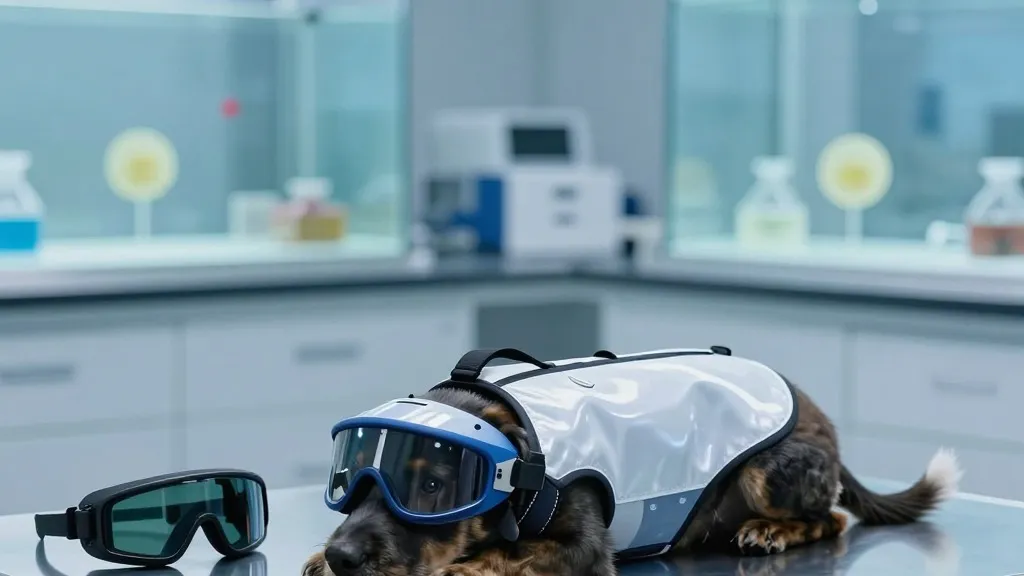
The process involves editing the dogs' genes to add traits that improve performance and remove those that do not. Anduril will provide the technological layer for these animals. Their hardware and software will include protection vests and goggles designed to aid situational awareness. Lamm described this as adding capabilities on top of the dog, such as bulletproof vests with data sensors that send information to handlers. This combination of genetic enhancement and tech gear is intended to make the dogs safer and healthier, which in turn protects the human handlers.
Luckey serves as a partner in the venture but does not hold equity. Colossal Biosciences, known for its de-extinction efforts like the dodo and mammoth, owns a stake in Warhound and licenses its technology to the new company. Lamm noted that Colossal uses AI and cloning technology to identify and copy animal genes, a capability that is central to this new initiative.
The first batch of dogs is set to be cloned and incubated soon. Births are expected in early next year, with the goal of having these animals in service within two years. Viagen, another company owned by Colossal, will partner with Warhound to handle the cloning process. Lamm stated that Viagen's technology has a high success rate, which is already used in Colossal's endangered species programs.
Warhound has not yet determined pricing but expects to sell to first responders, the Department of Defense, military groups, and police forces. Lamm said the company has briefed many government groups on the business. Regarding civilian safety, he assured that each dog will be trained like any standard military working dog and managed by the purchasing agency.
The American Humane Society is guiding Warhound to help certify its training program. The organization hopes that when these new military dogs retire, they will enter the Society's Military Working Dog Reunification Program to find homes. The Society stated that they are pleased to have a seat at the table to ensure the animals are treated humanely.
Source: TechCrunch