Trump Sets 100% Mandate for AI Data Centers to Return Excess Energy to Local Grids
The President demands hyperscalers sell or give back surplus power to offset community costs, aiming to turn unpopular tech hubs into neighborhood assets.
By Mykola Bondarenko ·
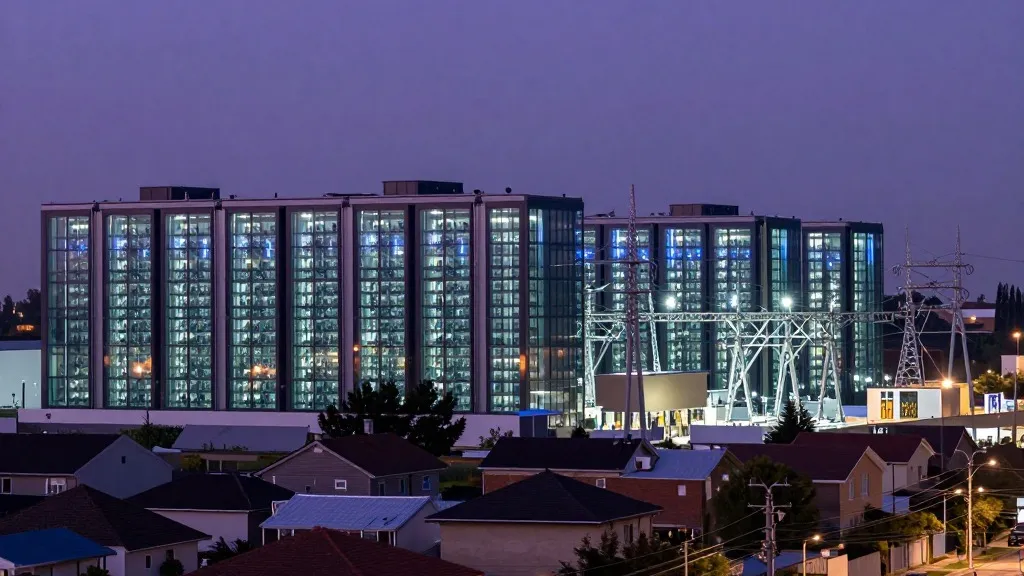
The friction between massive artificial intelligence infrastructure and the small towns hosting it reached a boiling point this week as President Donald Trump issued a direct challenge to the industry. In a post on Truth Social, the President declared that data center builders and AI hyperscalers are now expected to pay a “dividend” to the communities they impact. The core of this new directive is not merely financial; it requires these facilities to generate their own electricity and return any excess power to the local grid, effectively aiming to lower or even reverse recent spikes in local utility bills.
This move addresses a growing wave of resistance across the United States, where residents have increasingly protested the presence of AI data centers. Local communities have cited a litany of grievances, including rising electricity rates, persistent noise pollution, water shortages, air quality concerns, and deforestation. By demanding that these companies give back energy, the administration seeks to transform these facilities from sources of complaint into partners in local stability, making them more palatable to the neighborhoods that must tolerate their physical footprint.
The strategic context is clear: the Trump Administration is racing to stay ahead of China in the global AI arms race. However, this race has come with local political costs. To win back favor, the White House is pushing for solutions that offer tangible benefits to residents. The proposed energy dividend is designed to directly alleviate the pain of rising electricity costs, a primary concern for homes located near these power-hungry installations. This follows a previous order requiring data centers to produce their own electricity, creating a closed-loop system where surplus generation can be fed back to consumers.
Recent legislative efforts have already begun to shift the financial burden. A recently passed act compels data centers to cover the costs of necessary grid upgrades, preventing those expenses from being passed on to local taxpayers. The new directive builds on this foundation by leveraging the excess power generated by these facilities. If implemented as described, the flow of electricity back into the community could serve as a direct offset to the higher rates residents have been experiencing.
President Trump emphasized the economic logic behind the push, noting that data centers which were once highly unpopular in specific areas have become “extremely popular” once a financial deal was struck. “MAKE DEALS, and get them built!!!” he concluded in his post, signaling a desire to accelerate construction by aligning corporate goals with community interests. The administration believes that by making the financial terms attractive, they can smooth the path for new projects and secure the hardware needed for the AI race.
However, the practical implications of this mandate remain a subject of intense debate. Critics point out that the term “dividend” is unusual in this context, as companies typically pay dividends only when they are profitable. New data center builds often face significant initial construction costs, meaning they may not be profitable for a considerable time. This raises questions about the sustainability of such payments in the short term.
Furthermore, the type of power generation currently being installed to meet these self-sufficiency requirements is primarily gas-powered. These generators are often described as noisy, polluting, and inefficient compared to conventional power plants. For residents living in close proximity, the trade-off between cheaper electricity and increased local pollution and noise could be difficult to accept. Other alternatives for cleaner generation take much longer to come online, making the gas-powered solution a near-term necessity rather than a long-term fix.
Whether this energy dividend will be enough to win over skeptical communities is still unknown. While addressing electricity costs is a significant step, it does not solve every issue. Enormous water consumption, ecological damage, and general pollution remain major challenges. For the mandate to succeed, the financial and energy benefits must clearly outweigh the environmental and logistical burdens placed on local residents.
Source: Tom's Hardware