Election Eve: Israel's Tight Race and the Fight Over October 7 Accountability
With polls showing a dead heat between rival blocs, thousands rally in Tel Aviv to demand an independent inquiry into the 2023 security failures as the nation prepares to vote.
By Kavya Kapoor ·
Ordinary Israelis face a critical decision on Tuesday as the country heads into its first general election since the war in Gaza began. The outcome will determine whether the current right-wing leadership, in power since late 2022, remains in charge or if a new administration takes the helm. For many citizens, the vote is not just a change of government but a judgment on how the state handled the security failures that preceded the conflict. The political landscape remains fragmented, with no single faction currently positioned to claim a clear majority in parliament.
The numbers suggest a tightly contested race that could define the next phase of Israel's regional strategy. Recent polling indicates that Prime Minister Benjamin Netanyahu’s right-wing bloc and the opposition led by Gadi Eisenkot are running neck and neck. Neither group is projected to secure the seats necessary to form a stable government alone. This balance of power means that coalition partners and smaller parties will hold significant leverage in the coming weeks, potentially influencing foreign policy decisions that affect economic stability and security commitments.
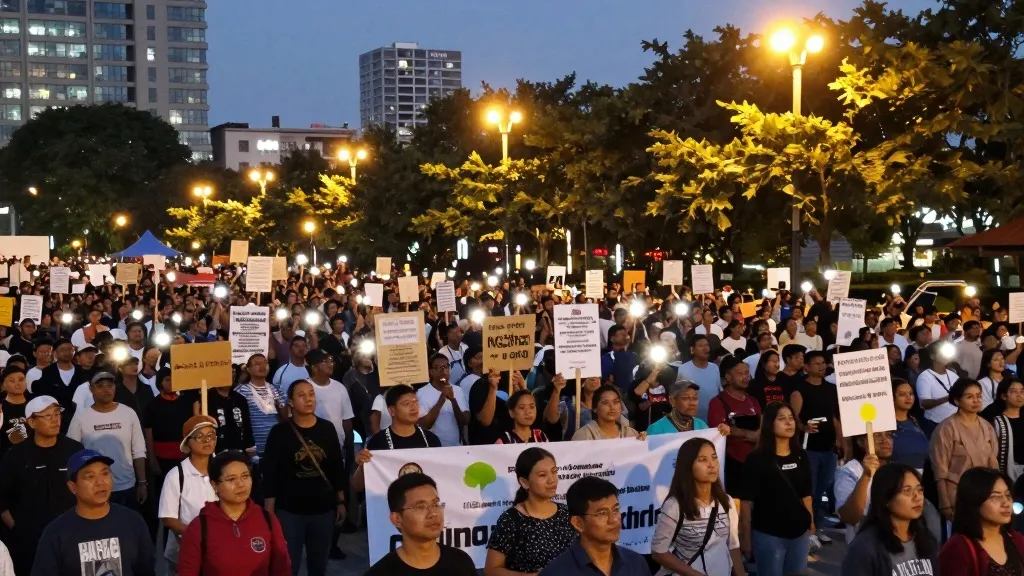
The human element of this political contest was highlighted by a large gathering of protesters at Hostages Square in Tel Aviv on Saturday. The event was organized by the October Council, a group established by the families of captives taken to Gaza three years ago. Leading opposition figures joined the demonstration, including Eisenkot of the Yashar party and Yair Golan, the leader of the Democrats. Eisenkot, who is viewed as Netanyahu’s main center-right rival, was greeted by chants calling him the next prime minister. Dan Adin, a lawyer and citizen, described the energy of the crowd as the march moved from Rabin Square to the main plaza.
The stakes extend beyond domestic politics to include major foreign policy questions, particularly regarding military action against Iran. Analysts believe that Eisenkot is less inclined to resume strikes on Tehran if he becomes prime minister, a potential shift that could influence regional market sentiment and security costs. However, the broader political consensus remains largely intact on other issues. Most leading parties, regardless of their alignment, continue to oppose the creation of an independent Palestinian state, signaling that this specific policy stance may not change with the election results.
The protest also revealed underlying tensions within the political establishment. The October Council sought to hold officials accountable for the events of October 7, 2023, by demanding an independent state commission of inquiry. In contrast, Netanyahu’s coalition government has rejected this model, proposing instead a political commission where half the members would be appointed by the government and the rest by opposition legislators. Opposition leaders have threatened to boycott such a body, arguing that political appointments would compromise its independence. The October Council also warned law enforcement about potential provocations from pro-government agitators ahead of the rally.
This political maneuvering occurs against the backdrop of a nation still processing the trauma of the 2023 attacks. The demand for truth and accountability has become a central theme for the opposition, framing the election as a vote on whether the state will learn from its past mistakes. As the polls close on Tuesday, the focus will shift to whether the fragmented legislature can form a workable government and how the new leadership will approach the complex security environment in the region.
Source: Al Jazeera