Hebron residents flee as Israel seals West Bank borders
Thousands have been displaced from their homes in Hebron following a deadly attack that triggered a widespread military lockdown across the occupied territories.
By Valentina Cruz ·
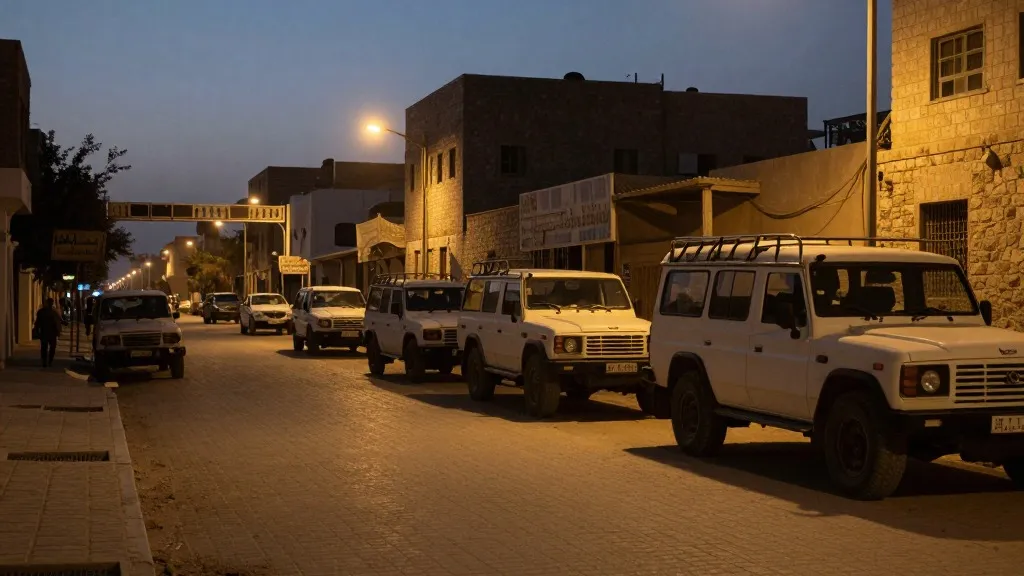
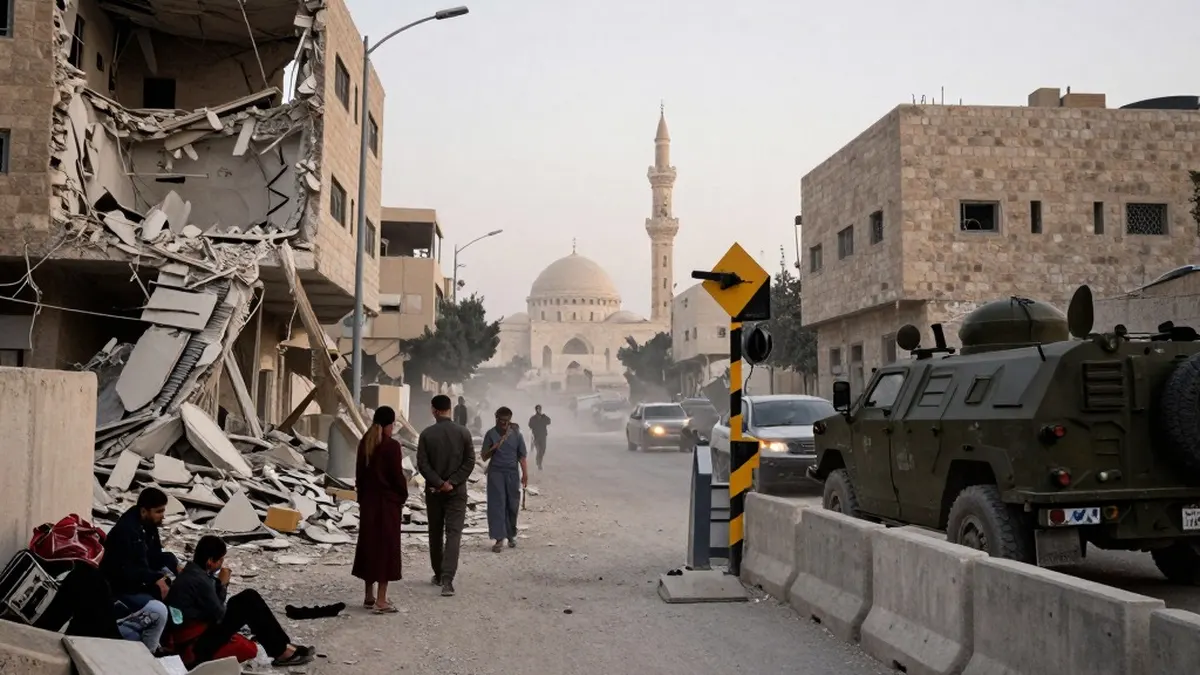
A tense standoff has emerged in the occupied West Bank, where Israeli forces have imposed a strict blockade on the city of Hebron. This move has resulted in the forced displacement of thousands of Palestinian residents, creating a significant humanitarian and political crisis in the region. The military operations are unfolding in the immediate aftermath of a fatal incident that claimed the lives of two Israeli soldiers, prompting a broader security response by the state.
The central claim of the current situation is that the lockdown is a direct and comprehensive reaction to the violence that occurred this week. According to local officials, the severity of the response has led to a near total isolation of the city. This isolation has disrupted daily life and forced many families to seek temporary refuge elsewhere, highlighting the immediate impact of the military strategy on the civilian population.
Yousef al-Ja'bari, the mayor of Hebron, provided specific figures regarding the scale of the displacement. He stated that 2,200 people have been compelled to leave their homes since the conflict began. Al-Ja'bari noted that hundreds of military raids have taken place since Friday. This timeline aligns with the initial attack, where two Palestinian gunmen targeted an Israeli army reserve base. Both attackers were killed during the engagement, along with the two soldiers.
Caveats regarding the operational details suggest that the process of displacement was rapid and often disorienting for residents. Local accounts indicate that soldiers issued evacuation orders via loudspeakers late at night. This timing left families with minimal preparation time and limited options for where to go. By Saturday, the mayor confirmed that the city was effectively sealed, preventing both entry and exit for the general population.
The political leadership in Jerusalem has reinforced the security measures. Prime Minister Benjamin Netanyahu ordered a full lockdown of the West Bank following the attack. The scope of the operations is extensive, with reports of Israeli raids in at least 15 different areas on Saturday. These locations span the northern, central, and southern parts of the territory, including Jenin, Nablus, Ramallah, Al-Bireh, Birzeit, occupied East Jerusalem, and Bethlehem.
The Palestinian Authority, which administers parts of the West Bank, has criticized the military actions as a form of collective punishment. They pointed to home demolitions, the displacement of entire neighborhoods, and the closure of cities as key examples of the strain being placed on the population. The authority has called on the international community to intervene and protect the residents. Hamas also issued a statement, describing the escalations by the occupation and settlers as factors that will fuel further outrage among the people.
The demographic weight of Hebron adds to the complexity of the situation. Approximately 200,000 Palestinians live within the city limits, while another 600,000 reside in the wider governorate, making it the most populous area in the West Bank. Issa Amro, a local activist and analyst, described the 800,000 residents as being under siege. He noted that all entrances and exits have been closed since morning, leaving people inside the city with no safe place to hide and living in a state of fear.
The timing of these events has introduced a layer of political speculation. With Israeli parliamentary elections scheduled for October 27, analysts suggest that political leaders are using the security crisis to their advantage. Nour Odeh, a correspondent for the region, observed that politicians are attempting to capitalize on the attack. She noted that Prime Minister Netanyahu and his Likud party, along with right-wing coalition allies, are currently trailing in the polls. Consequently, they are presenting a strong stance against Palestinians to bolster their electoral position.
Questions remain about the long term political intentions of the Israeli government. During recent remarks, Netanyahu avoided giving a direct answer on whether he plans to dismantle the Palestinian Authority. Instead, he suggested that a big surprise awaits the organization. This ambiguity, combined with the ongoing military operations, leaves the future status of the West Bank and its governance structures in a state of uncertainty as the region navigates this new phase of conflict.
The situation continues to evolve as the military maintains its presence across the territory. The interplay between immediate security needs and political strategy will likely define the coming days. As the international community monitors the developments, the focus remains on the residents of Hebron and the broader West Bank, who are bearing the immediate consequences of the lockdown and the raids.
Source: Al Jazeera