Lula Tries to Convert Beach Energy into Electoral Capital in Final Push
With the polls neck and neck, the incumbent president relies on a massive mobilization in Rio de Janeiro to overcome the historical disadvantage of losing the first round.
By Noor Haddad ·
For the 159 million Brazilian voters heading to the polls this Sunday, the political landscape looks remarkably uncertain. The contest between President Luiz Inácio Lula da Silva and far-right challenger Flávio Bolsonaro has tightened to a near dead heat, meaning that daily shifts in public sentiment are now directly influencing the outcome. The final hours of the campaign have seen a surge in grassroots activity, with the incumbent attempting to convert visible street support into actual ballot box results before the market of votes closes.
The central economic and political gamble rests on Lula's ability to reverse a statistical trend. In the first round held on October 4, Bolsonaro secured 47% of the vote against Lula's 45%. Historical data from the democratic era since the 1980s shows that no candidate who trailed in the first round has ever closed the gap to win the runoff. A victory for the incumbent would therefore represent a significant market correction in political expectations, upending the consensus held by most analysts who currently view Bolsonaro as the slight favorite.
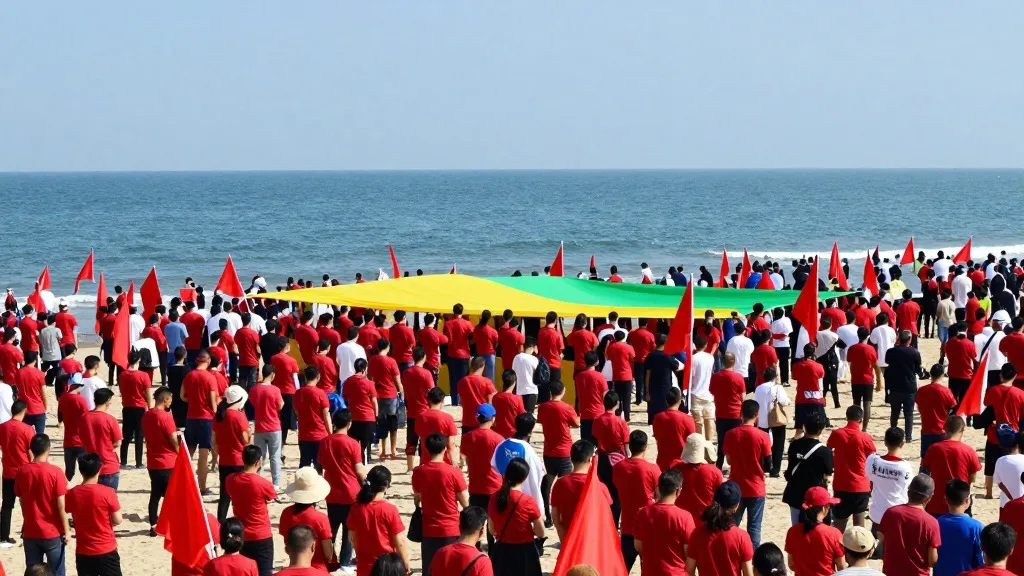
On Saturday, Lula’s campaign capitalized on high visibility to project strength. Tens of thousands of supporters filled Copacabana Beach in Rio de Janeiro, creating a carnival-like atmosphere under strong sun. The crowd was predominantly dressed in red, signaling the left-wing base. Activists displayed a large banner stating, "WE ARE GOING TO TURN THIS AROUND!" The visual spectacle was intended to signal to undecided voters and markets that the incumbent retains strong organizational momentum in the final day of the campaign.
Ground-level sentiment suggests a shift in consumer confidence for the left. Josias Silva, a 61-year-old truck driver, carried a sign predicting a Lula victory with over 60% of the vote. He noted that student-led protests indicate the populace has re-engaged. However, polling data suggests the margin will be much narrower than these optimistic street estimates, pointing to a tight finish that could leave the market sensitive to post-election policy clarity.
The competitive dynamics have shifted in recent days as Lula regained initiative following scandals involving his opponent. Last week, the magazine Piauí reported that Flávio Bolsonaro attended a boat party with sex workers and vaccine lobbyists during the peak of the 2020 pandemic. This development has helped the incumbent climb in the polls. The incumbent’s base views this not just as a political contest but as a defense of democratic norms, given that Jair Bolsonaro, the father and former president, is serving a 27-year sentence for plotting a coup.
Stakes for the broader economy and policy direction are high. If Flávio Bolsonaro wins, there are fears that his father may be freed or return to government influence. Press reports indicate that fellow plotters could receive senior military and police posts. For many supporters, such as restaurateur Marta Moraes, the election is a referendum on the legacy of the previous administration, which she linked to four lost relatives during the pandemic.
Mobilization efforts have been digitized as well as physical. A WhatsApp group called "Lula's Army," with 10 million members formed after the first round, has been a key tool for outreach. Participants, including retired teacher Isabella Gaze and DJ Cammy Marinho, report spending significant time persuading Bolsonaro voters and abstainers to switch sides. The effort includes reaching out to first-time voters, exemplified by 14-year-old Heitor Lopes da Silva, who traveled from Duque de Caxias in a wheelchair to show support.
The opposition is equally active. In Belo Horizonte, the capital of Minas Gerais, thousands gathered in yellow jerseys and with Brazilian and US flags. Minas Gerais is a critical bellwether state with the country's second-largest electorate. No candidate has won the presidency without carrying this state, where Bolsonaro led by just under 5% in the first round. Supporters there emphasized security, with shooting club owner Antonio Carlos Costa Jr. arguing that the previous administration’s gun laws allowed citizens to defend themselves.
The security debate remains a key differentiator. Security experts note that the previous administration's loosening of gun laws diverted firearms to criminal gangs, while Lula has tightened rules. Lula’s backers point to Flávio Bolsonaro’s documented ties to Rio’s paramilitary militias, casting doubt on his ability to curb crime. Architect Erika Cavalcante carried a sign reading "Don't let the mobsters win," highlighting the specific concerns about public safety and institutional integrity that are driving voter behavior in this final phase.
Source: The Guardian
More Business · World news · Consumer Alerts · Report a business