By December 31: Tesla Sets Final Deadline for Cybercab Customer Handovers
Tesla has confirmed that its two-seater robotaxi will begin reaching private customers before the end of 2026, though most units will initially remain in the company's own fleet.
By Chinedu Okafor ·
The wait for a specific date is officially over.
Tesla has provided a concrete timeline for when its newest vehicle will reach private hands, cutting through months of uncertainty. During the company's third-quarter 2026 earnings call on October 21, leadership clarified that the Cybercab is targeted for customer delivery before the calendar year closes. This announcement ends the speculation regarding whether the fully autonomous vehicle would be available in the near term or remain a fleet-only model for a longer period.
The numbers behind this rollout are modest for now. Vice President of Engineering Lars Moravy stated that the goal is to get these vehicles to customers by the end of 2026. Production is already underway at Gigafactory Texas, but the current output is not going to the public market. Instead, every unit coming off the line is currently being assigned to Tesla’s internal Robotaxi fleet. This means that for the immediate future, the supply chain is prioritizing the service aspect of the business over individual ownership.
The people driving this decision emphasize a cautious approach to expansion. Moravy explained that as operations scale, the company plans to mainly deliver fully designed autonomous vehicles to its customers, with the Cybercab serving as the first example. However, initial deliveries will start small. This phased approach allows Tesla to gain experience in delivery logistics, define ownership models, and manage fleets while also learning how to operate autonomous vehicles outside of its direct, internal control. It is a strategy focused on stability before volume.
CEO Elon Musk reinforced the idea that private sales will be a minority of the total output. He described the Cybercab primarily as a "transport-as-a-service" offering rather than a personal ownership vehicle comparable to the Model 3, Model Y, or the upcoming Roadster. Musk noted that the vast majority of Cybercabs will remain Tesla-owned, suggesting that for most users, the vehicle will function as a ride-hailing service rather than a car parked in a driveway.
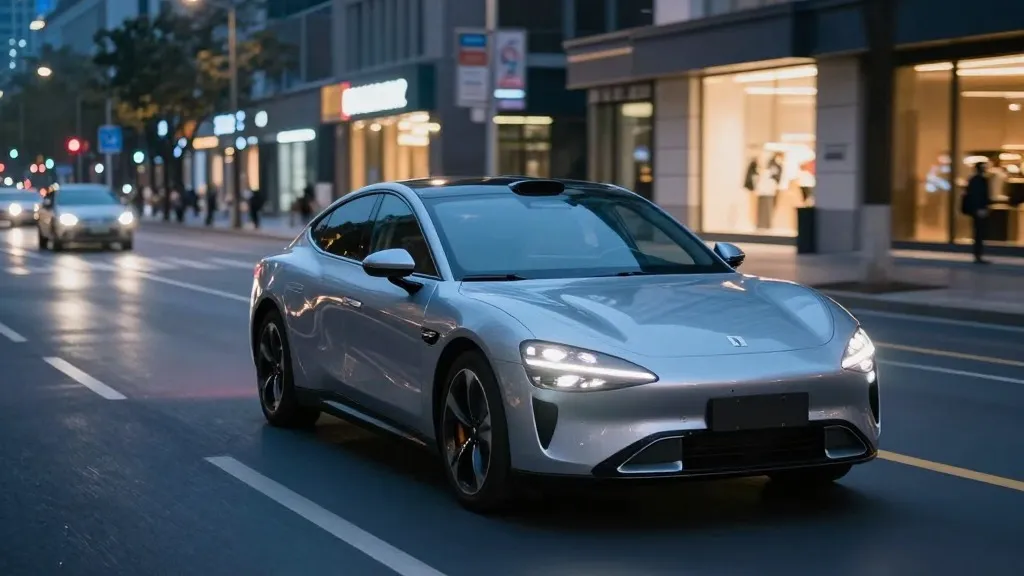
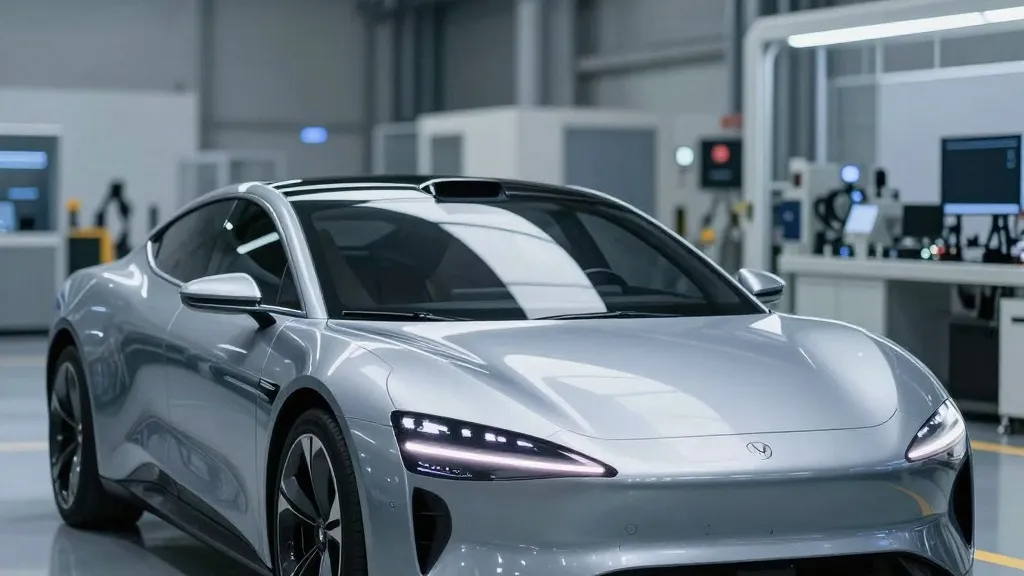
The vehicle itself is distinct from Tesla’s traditional lineup. The Cybercab is a two-seater developed without a steering wheel or pedals, relying entirely on the company’s Full Self-Driving suite. It has been in production since February of this year. In early September, Tesla began putting these early units into its Robotaxi service, launching public rides to test the system in real-world conditions. The company has previously indicated an aim to sell these units for approximately $30,000, a price point designed to make the technology accessible while maintaining the service model.
There are still hurdles to clear before the final handover. Ashok Elluswamy, Tesla’s Head of AI, indicated during the call that unsupervised Full Self-Driving is expected to ship to consumer cars during the second quarter of 2027. This timeline suggests that while the Cybercab may reach customers by year-end, the broader autonomous capability for other models is still on a slightly longer track. Early buyers or fleet operators might receive vehicles whose autonomous operation remains geographically restricted, a result of lagging regulatory agencies that have not yet caught up with the technology.
The stakes for the Mid-Atlantic and national markets hinge on this transition from fleet to private. By setting a date before December 31, Tesla is signaling that the era of the dedicated, driverless passenger car is no longer just a prototype concept. It is a product moving toward the end user, albeit slowly. The focus remains on making the service viable first, with private ownership following as the infrastructure and regulatory frameworks mature.
Source: Teslarati