Pakistan Approves Mecca Pact Amid Threats
Pakistan completed its legal approval of the trilateral defense treaty while Turkey continues its internal review process.
By Yasmin Farouk ·
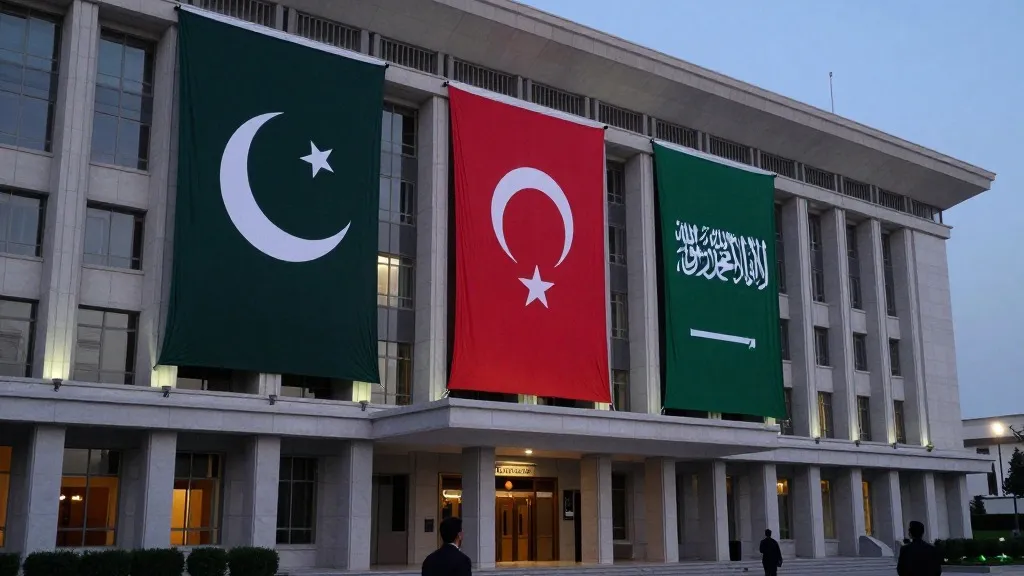
Three nations signed the agreement on 7 August, but only two have completed the legal process as of this week. Pakistan confirmed on Friday that it has ratified the joint defence pact with Turkey and Saudi Arabia. This move signals a critical step forward for the alliance at a moment when the kingdom faces renewed security threats. The ratification brings the treaty closer to full operational status, although one major signatory is still finalizing its internal approvals.
Sajjad Haider Khan, the spokesperson for the Pakistani Foreign Office, stated that Islamabad and Riyadh have both finished their respective ratification procedures. He noted that discussions regarding the agreement's operationalization are ongoing among the three parties. While the text was drafted and signed earlier this year, the final legal green light from Pakistan marks a significant milestone. The deal remains inactive until Turkey completes its own domestic approval process.
The Mecca Joint Defence Agreement was originally signed by Turkish President Recep Tayyip Erdogan, Pakistani Prime Minister Shehbaz Sharif, and Saudi Crown Prince Mohammed bin Salman. The core provision mandates collective defence if any of the three states suffers an external armed attack. The specific nature and level of support will depend on the circumstances of the threat. Islamabad has emphasized that the pact is strictly defensive and aligns with the United Nations Charter.
Implementation efforts accelerated following a 5 October meeting of the Strategic Political and Defence Committee. That session called for the rapid deployment of military forces and capabilities to Saudi Arabia if needed. Such deployments would be subject to each nation's domestic laws. This framework aims to ensure a swift response to potential aggressors while respecting internal legal requirements.
The announcement arrives against a backdrop of heightened regional tension. Saudi Arabia's Civil Defence issued warnings this week about potential dangers in southwest areas, including Abha and Khamis Mushait. Authorities later declared the immediate danger had passed but advised residents to follow safety instructions. They recommended avoiding gatherings or filming in affected zones, a move that coincided with Houthi missile and drone attacks on the kingdom.
Riyadh's allies are primarily providing defensive support as the country works to protect its infrastructure from further strikes. These Houthi attacks have increased the urgency for a formalized defence mechanism. The situation highlights the need for coordinated military responses among the three signatories. The ratification by Pakistan strengthens the diplomatic and military bonds within this new trilateral arrangement.
Source: Middle East Eye