Rubio Directly Invites Cuban Dissidents to Ally With CIA
The U.S. Secretary of State issued a bold call for cooperation with American intelligence while new sanctions tighten the economic noose around the island nation.
By Jacob Leary ·
Secretary of State Marco Rubio has issued a direct invitation for Cubans seeking change to work alongside the Central Intelligence Agency.
In a striking move on Friday, the top U.S. diplomat posted on the social media platform X that now is the time for those who want positive change in Cuba to act. He highlighted the widespread disappointment caused by broken promises, deep-rooted corruption, and the comfortable lives of a small privileged class. The post explicitly urged readers to seize the opportunity to create the change they desire through a discrete partnership with the CIA. The intelligence agency quickly amplified the message by reposting the appeal, including a version written in Spanish. A video accompanied these posts, providing specific steps for how interested individuals could make contact with the agency.
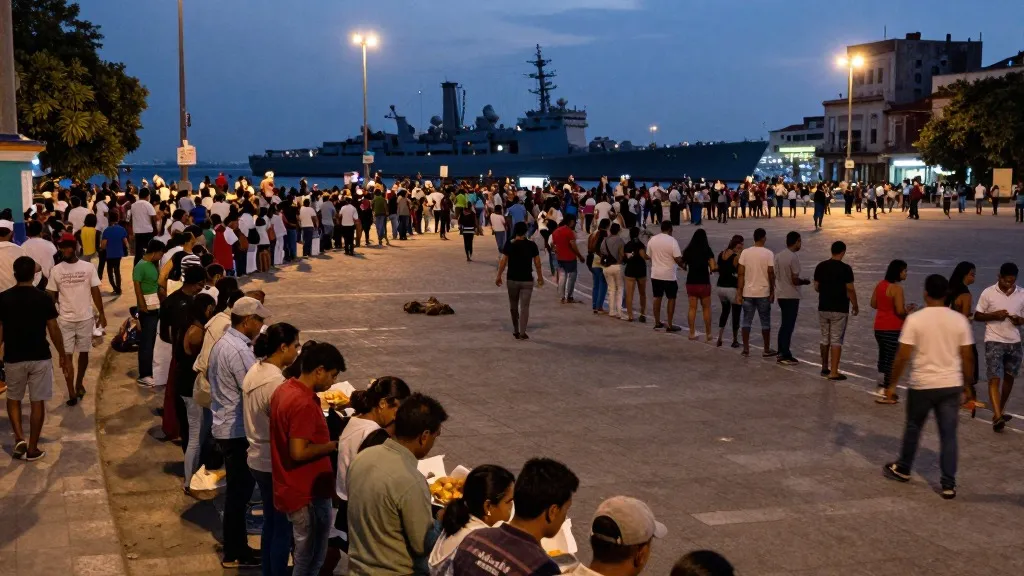
This diplomatic push coincides with a period of intense economic strain on the island. Cuba continues to struggle under the weight of a strict U.S. embargo and a series of sanctions designed to pressure the communist government. The financial impact has been severe, with prices for basic goods soaring beyond the reach of many citizens. Access to medical care has also shrunk significantly. Reports indicate that Cubans have spent hours waiting in long lines for bread, while others have faced similar delays just to see a doctor.
The pressure on Havana has intensified in recent days. Last week, the U.S. government announced additional economic sanctions targeting Cuba's state-run bank. Washington justified the move by citing the institution's ties to Iran. This latest round of restrictions aims to further constrain the flow of money through the country's financial system, adding to the existing burden on the population.
President Donald Trump also weighed in on the situation on Friday during a campaign rally in South Florida. He made a bold statement regarding the U.S. military's presence in the region. The president said, "We'll take care of Cuba on our way back from Iran." This comment referred to U.S. Navy warships that have been deployed near the Strait of Hormuz. Trump provided a vivid description of how he envisioned the interaction unfolding. He noted that those beautiful ships would pass Cuba and one of them would stop about 50 yards off the coast. He added that the Cubans would raise their hands, and then the U.S. would send Marco Rubio in to finish up the deal.
The Cuban government has not taken the rhetoric lightly. Foreign Minister Bruno Rodríguez Parrilla responded to the statements on X on Friday. He stated clearly that the island rejects any threats stemming from U.S. ambitions toward Cuba. The minister emphasized the physical nature of the island's defenses. He noted that while the coastline is lined with beautiful beaches, it is also rugged and inhospitable to those who arrive with hostile intentions and a desire for domination.
The stakes have never been higher for the island nation. The combination of direct diplomatic overtures, intensified economic sanctions, and public military commentary from the White House creates a complex landscape for Havana. The U.S. strategy appears to be a multi-pronged approach, aiming to leverage both economic pressure and potential internal partnerships to drive change. For the people of Cuba, the message is clear: the window for action is open, but the cost of inaction may be rising.
As the situation evolves, the role of the CIA in this specific context marks a notable shift in the administration's public stance. By naming the agency directly, Rubio has moved beyond vague calls for reform to a specific mechanism for engagement. This transparency in the appeal could embolden those inside Cuba who feel aligned with U.S. goals, while simultaneously complicating the diplomatic landscape for the Cuban leadership. The coming weeks will likely reveal whether this discrete partnership leads to tangible changes on the ground or if the rugged coastline remains the primary barrier to U.S. ambitions.
Source: CBS News