Artemis Logistics: 22 Starship launches now projected for Moon landing
A new internal estimate suggests the Artemis lunar program may require significantly more fueling flights than previously hoped.
By Daniela Vargas ·
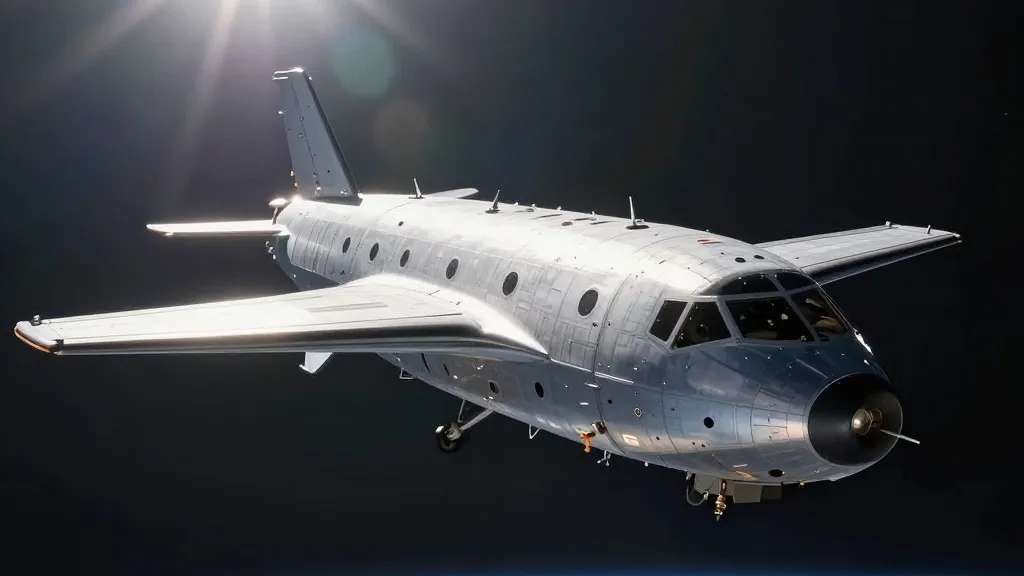
For residents in the Mid-Atlantic and observers nationwide, the path back to the Moon appears to be lengthening. A new internal assessment indicates that NASA may need up to 22 SpaceX Starship launches to fuel the lunar lander, a figure substantially higher than previous optimistic projections. This shift implies a more complex and frequent launch cadence in low-Earth orbit before astronauts can depart for the lunar surface.
This estimate surfaced during the quarterly meeting of the NASA Aerospace Safety Advisory Panel held on Thursday. Charlie Precourt, a panel member and former astronaut, discussed the risks associated with the Artemis Program. While NASA has historically treated the specific number of required fueling launches as a sensitive metric, comparable in secrecy to nuclear codes, this new figure offers a clearer picture of the logistical challenges ahead.
The number of necessary launches has been a moving target for years. In 2023, Lisa Watson-Morgan, then-director of NASA’s Human Landing System, expressed reluctance to provide a precise count. She later described the requirement as being in the 'high single digits to the low double digits.' This range suggested approximately a dozen launches, involving one 'depot' Starship and 11 'tanker' Starships to load liquid oxygen and methane for the lunar voyage. Other officials have cited figures in the 'high teens,' but 22 marks a significant increase from these earlier estimates.
The primary driver behind the rising number is the anticipated improvement in Starship’s lift capacity. NASA’s strategy relied on SpaceX dramatically increasing the rocket's payload capability to reduce the number of tanker flights required. However, concerns are growing among some NASA officials that this improvement may not arrive soon enough to allow Starship to play a meaningful role in returning humans to the Moon within the current decade.
The Artemis Program aims to land people on the Moon using a Starship-based lunar lander. This lander must be fueled in low-Earth orbit before it can travel to the Moon, land, and return to lunar orbit. The complexity of this process requires multiple flights to assemble the necessary propellant depot, a task that becomes more arduous if individual launch capacities do not scale as predicted.
NASA does not currently possess nuclear weapons, but the agency guards this specific launch count with similar intensity. The reluctance to share exact figures has been a consistent theme, with the general response often being that the agency is not yet certain enough to commit to a public number. This transparency gap has made the program's timeline difficult to gauge for the public and stakeholders.
With the new estimate of 22 launches emerging, the focus now shifts to the feasibility of executing this volume of flights in time. The next steps will likely involve a review of SpaceX’s development timeline and NASA’s ability to coordinate these numerous launches. The outcome will determine if the current decade remains a viable window for a crewed lunar landing or if the schedule must be adjusted.
Source: Ars Technica