NASA locks in 2028 Moon landing date with new docking strategy
The space agency has finalized its roadmap for Artemis IV, shifting critical rendezvous points to make lunar landings more efficient.
By Kendra Konchanuk ·
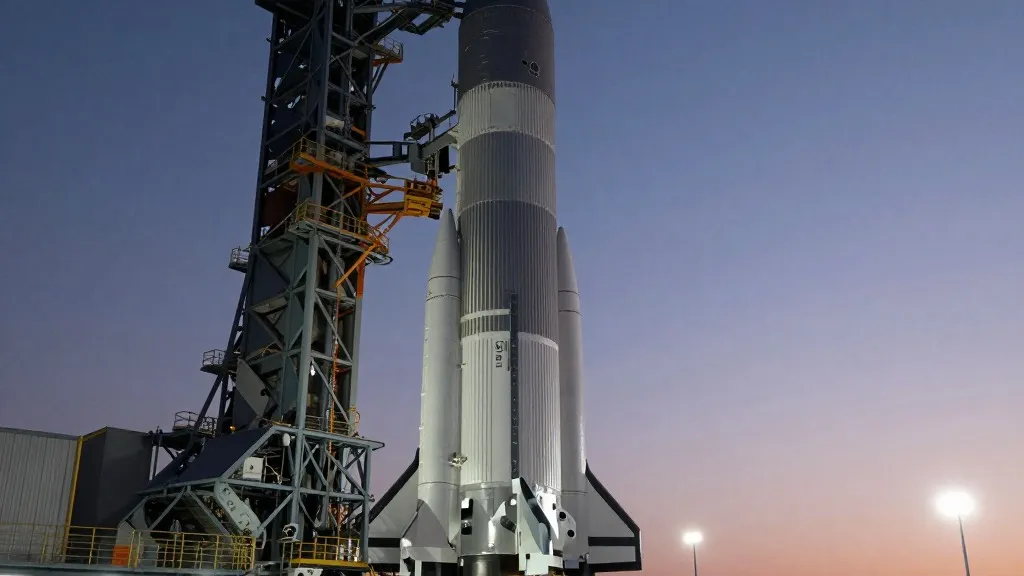
NASA has officially detailed its revised strategy for returning humans to the lunar surface, targeting a 2028 launch for the first crewed landing since the 1970s. During a comprehensive news conference on Friday, agency officials laid out the specific architectural changes that will define the next phase of the Artemis program. This marks the first time the space agency has publicly confirmed these substantial shifts in its operational plan, moving beyond the general frameworks discussed in previous months.
The core of this update involves a fundamental change in how spacecraft will meet up in space. For SpaceX, the new plan requires the Orion capsule to dock with the Starship lunar lander in high-Earth orbit. This occurs before the combined vehicles make the transit to the Moon. This shift removes the previous requirement for a more complex and energy-intensive meeting point around the lunar poles, streamlining the entire mission profile.
The agency has also clarified the approach for its second partner, Blue Origin. The mission architecture for this provider involves four separate launches of the New Glenn rocket. Notably, this plan does not include any in-space refueling operations between spacecraft. Furthermore, the design allows for the Blue Moon lander to potentially rendezvous with Orion in low-Lunar orbit, offering a different trajectory compared to the SpaceX proposal.
Timelines remain a central focus of this announcement. NASA officials stated that they continue to anticipate launching the Artemis III mission by the summer of 2027. This specific mission is designed as a demonstration, involving docking procedures with both the Blue Moon and Starship vehicles in the vicinity of Earth. Following this test, the agency is tracking toward a 2028 launch for Artemis IV, which will be the mission that actually delivers astronauts to the lunar surface.
Jared Isaacman, the current NASA administrator, expressed confidence in the agency’s ability to meet these aggressive deadlines. He emphasized that the organization has the necessary mandate, resources, and stakeholder support to execute the plan. "This is an achievable path we are on right now," Isaacman said. "We have the mandate, we have the resources, and the support from our stakeholders to be able to execute, and that’s what we intend to do."
The changes to the SpaceX architecture are particularly significant for engineers who have been working on the Starship lander. In meetings held earlier in 2026, SpaceX representatives requested the removal of the requirement to dock in a near-rectilinear halo orbit around the Moon. This specific orbital path was known to require more energy and presented other technical difficulties for the landing vehicle.
The cancellation of the Lunar Gateway station earlier this year effectively solved this problem for SpaceX. By eliminating the need for that specific orbital maneuver, the agency simplified the logistics for the private company. This decision reflects a broader effort by NASA leadership to remove obstacles that could slow down the development and testing of commercial lunar landers.
It is worth noting that while much of this information had been reported by various outlets previously, this Friday’s presentation provided the definitive official record. The agency acknowledged the substantial nature of these changes, signaling a departure from earlier conceptual designs. This level of detail is crucial for the private partners as they finalize their engineering designs and production schedules.
The stakes for these dates are high. The 2027 and 2028 targets represent a critical window for the United States to re-establish a human presence on the Moon. Success in these near-term missions will determine the pace of future exploration and the viability of the commercial partnership model that NASA is relying on for these complex operations.
As the agency moves forward, the focus will shift from planning to execution. The next few months will be critical for verifying that the revised architectures work as intended in simulation and testing. For now, the path is clear, and the clock is ticking toward the summer of 2027.
Source: Ars Technica