Space Industry Updates: SpaceX declines military deals as Spanish rocket nears readiness
SpaceX turned down three launch contracts from the US Space Force while PLD Space confirmed its Miura 5 vehicle is in final assembly ahead of a 2027 debut.
By Lauren Collins ·
The commercial space sector is seeing significant shifts in strategy and readiness this week.
SpaceX has formally declined three military launch contracts offered by the United States Space Force. The company communicated this decision directly to the military branch, signaling a preference to focus on other priorities rather than accept these specific government tasks. This move marks a notable deviation from previous patterns where the company frequently secured defense sector work. The rejection leaves those missions open to other providers or for potential reassignment within the military's launch portfolio.
On the civil side of the industry, new technical details have emerged regarding the Starship vehicle. A NASA safety panel indicated that supporting a lunar landing mission may require the spacecraft to undergo up to 22 refueling operations. This figure highlights the complexity and duration of the logistical chain needed to send the vehicle to the moon. The assessment comes from a group dedicated to reviewing the safety protocols for this next-generation system. The high number of refuelings suggests a cautious approach to managing fuel loads and vehicle integrity during the ascent phase.
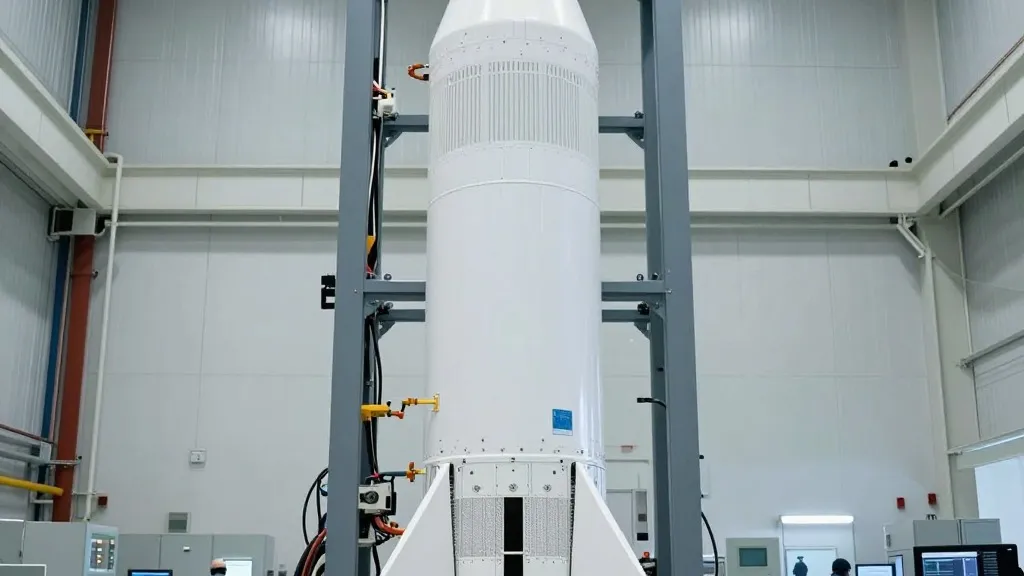
Meanwhile, PLD Space has announced that its Miura 5 rocket is nearing final integration for its maiden flight. The Spanish company stated that the vehicle is close to being ready for its inaugural launch, which is scheduled for next year. This update confirms that the small-lift vehicle is progressing according to its revised timeline. The company is targeting a first flight before mid-2027, a date that reflects the current status of its manufacturing and testing efforts. This milestone is significant for the European small-lift market as it approaches a critical development phase.
PLD Space has already manufactured three Miura 5 vehicles, according to CEO Raúl Torres. The other two rockets were designed to qualify key system elements before the final launch vehicle was assembled. Torres explained that building these three units allowed the engineering teams to work continuously across various stages of production. This approach enabled the team to apply lessons learned from each qualification campaign directly to the vehicle intended for orbit. The iterative process has helped refine the manufacturing workflow and ensure that the final product meets all necessary standards.
One second stage of the Miura 5 is now fully integrated to begin system-level testing. This stage is currently at PLD’s test facility in Teruel, where it will undergo a qualification campaign. The testing schedule includes a wet dress rehearsal and a static hot-fire test. These procedures are essential for verifying that the propulsion and structural components can withstand the stresses of a real launch. The representative operating conditions used during these tests are designed to simulate the actual environment the rocket will face in space. Success in this phase will be a crucial indicator of the vehicle's overall readiness.
In Canada, Reaction Dynamics is seeking to raise $350 million to expand its operations. The launch startup aims to grow its staff from 68 employees to more than 350 people with the new funding. This expansion will support the development of its Aurora rocket, a small-lift vehicle that the company hopes will reach orbit in 2028. The capital will be used to accelerate engineering and manufacturing efforts. Reaction Dynamics is one of three prominent Canadian startups working on launch vehicles, and this funding round is a significant step in its growth strategy.
The company has also announced plans to develop a medium-lift rocket called Borealis. This new vehicle is targeted for a debut by 2031, which would follow the initial launch of the Aurora rocket. The dual-rocket strategy allows Reaction Dynamics to address different market segments with vehicles of varying payload capabilities. The timeline for Borealis suggests a phased approach to expanding the company's fleet. This long-term plan provides investors and partners with a clear roadmap for the company's future development and market entry.
Source: Ars Technica