Saudi Arabia Defends Mecca and Medina From New Houthi Barrage
Ballistic missiles targeted the holy cities and key infrastructure, prompting debris falls and renewed US travel warnings for the region.
By Eduardo Salazar ·

Tension spiked across the Arabian Peninsula on Saturday as Saudi Arabia moved to shield its two most sacred cities from an escalating aerial assault. The Kingdom’s Civil Defense confirmed the interception of two ballistic missiles that were launched by Yemen’s Houthi movement. These projectiles were aimed directly at the Mecca and Medina regions, marking a significant intensification of the conflict that has been simmering between the two powers.
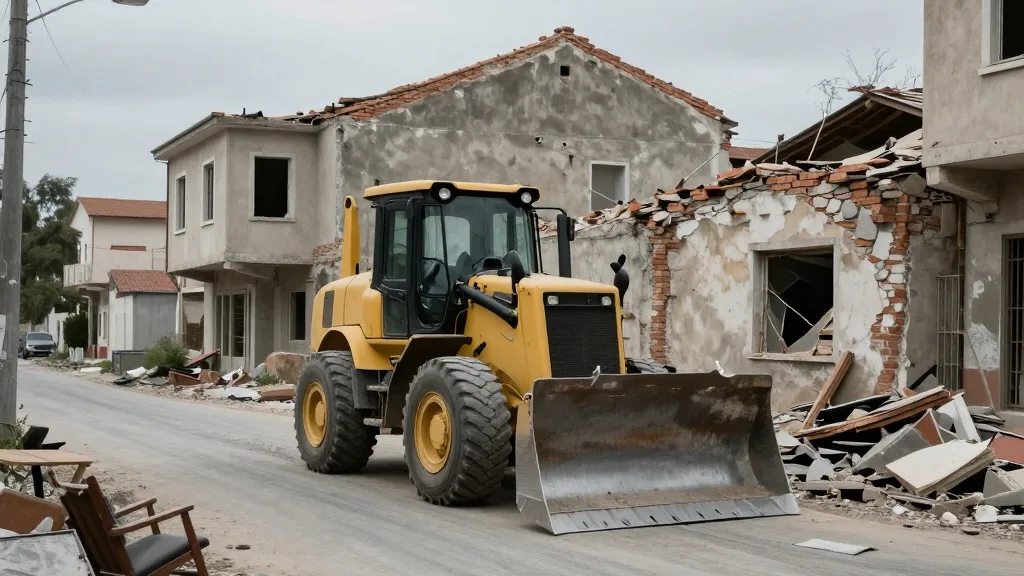
The defense effort resulted in physical impacts across several coastal and inland cities. Debris from the intercepted missiles fell in Jeddah, Taif, and Rabigh. This widespread scattering of fragments highlighted the difficulty of containing the threat entirely, as the remnants of the Houthi projectiles landed in populated areas and near critical infrastructure hubs.
The Houthi military had announced a broad campaign of strikes earlier in the day. Their targets extended beyond the holy cities to include vital economic assets. The group claimed attacks on Saudi oil facilities and multiple airports. Among the specific sites targeted was a Saudi Aramco facility located in Yanbu, a key location for the Kingdom’s energy sector.
Yahya Saree, the military spokesperson for the Houthi group, provided a detailed list of the sites under fire. In addition to the Yanbu facility, Saree stated that the Rabigh oil refinery was struck. The offensive also reached into the capital region, with King Khalid International Airport in Riyadh identified as a primary target for the barrage.
The scope of the Houthi operations included several other major transportation hubs. Saree confirmed that King Fahd International Airport in Dammam was also in the crosshairs. Furthermore, the group targeted Najran airport and an air base in Khamis Mushait, suggesting a coordinated effort to disrupt both civilian air travel and military logistics across the southern and eastern parts of the Kingdom.
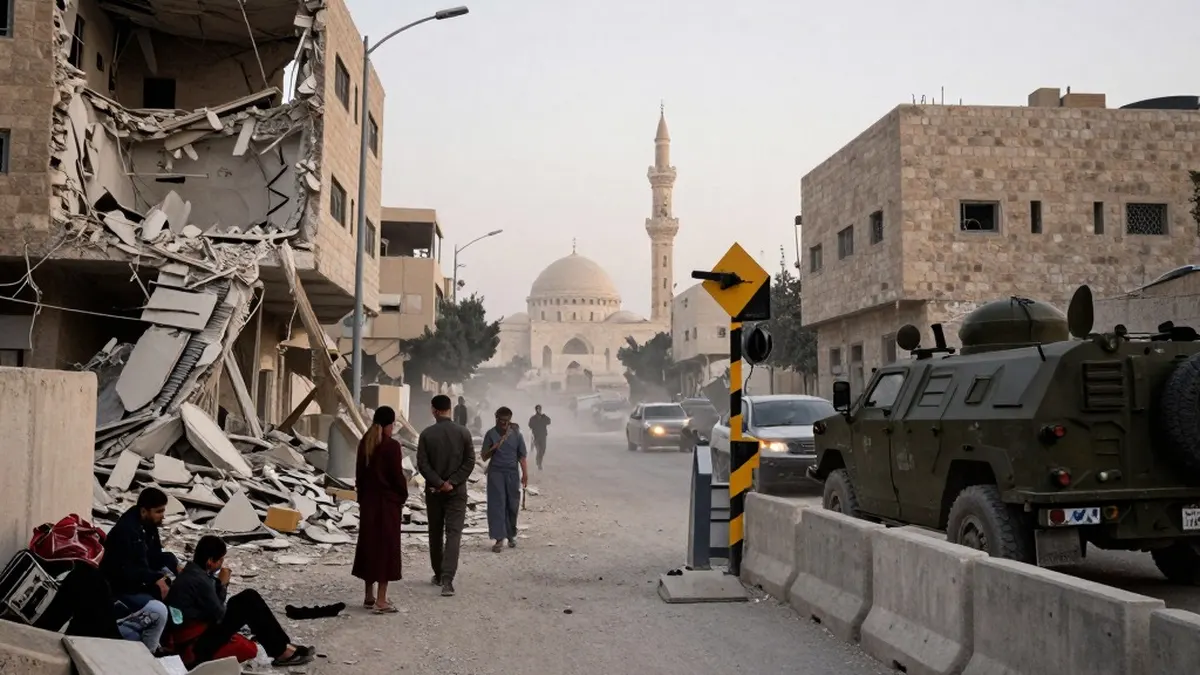
The exchange of fire was not one-sided. Earlier on Saturday, Houthi-linked media outlets reported that Saudi Arabia had conducted strikes on Yemen’s capital, Sanaa. The National Commission for Human Rights in Yemen condemned these actions. The commission described the events in the Asr neighborhood of Sanaa as a massacre, citing significant damage to the area.
Reports also indicated that a cement factory in the Hamdan district of Sanaa Governorate was hit during the Saudi strikes. This reciprocal violence underscores the depth of the conflict, with both sides claiming significant hits on military, industrial, and civilian infrastructure in their respective territories.
The US State Department has entered the conversation with updated guidance for its citizens. On Friday, the department revised its travel advisory for Israel. The notice warned of an increased threat of armed attacks by Iran-backed Houthi terrorists. Officials highlighted the potential for a rapid escalation of regional hostilities, urging travelers to remain vigilant.
Despite the new warning language, the overall travel advisory classification for Israel remains at Level 3. This level advises American citizens to reconsider travel due to terrorism and unrest. The existing risk indicators and restrictions on travel to specific areas of the country have not changed. The State Department cited previous Houthi attacks on Saudi Arabia, noting that strikes on civilian airports and critical infrastructure have historically led to civilian casualties and major travel disruptions.
Source: The Jerusalem Post